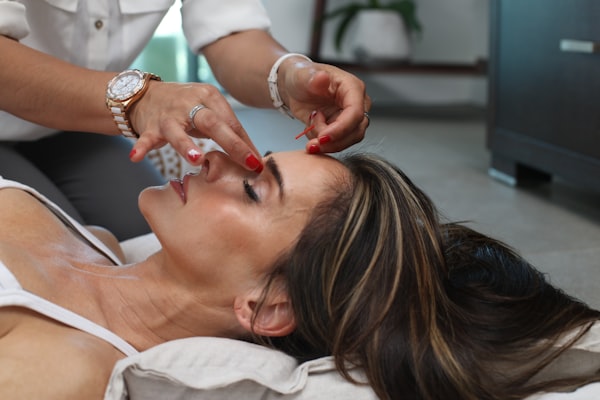
Neuroacupuncture represents a significant evolution in integrative medicine, combining the time-tested principles of Traditional Chinese Medicine with cutting-edge neuroscientific understanding. At AcuTherapy Center, Dr. Fatima E. Errachidi applies these protocols to support patients recovering from neurological events such as stroke.
Understanding Neuroplasticity
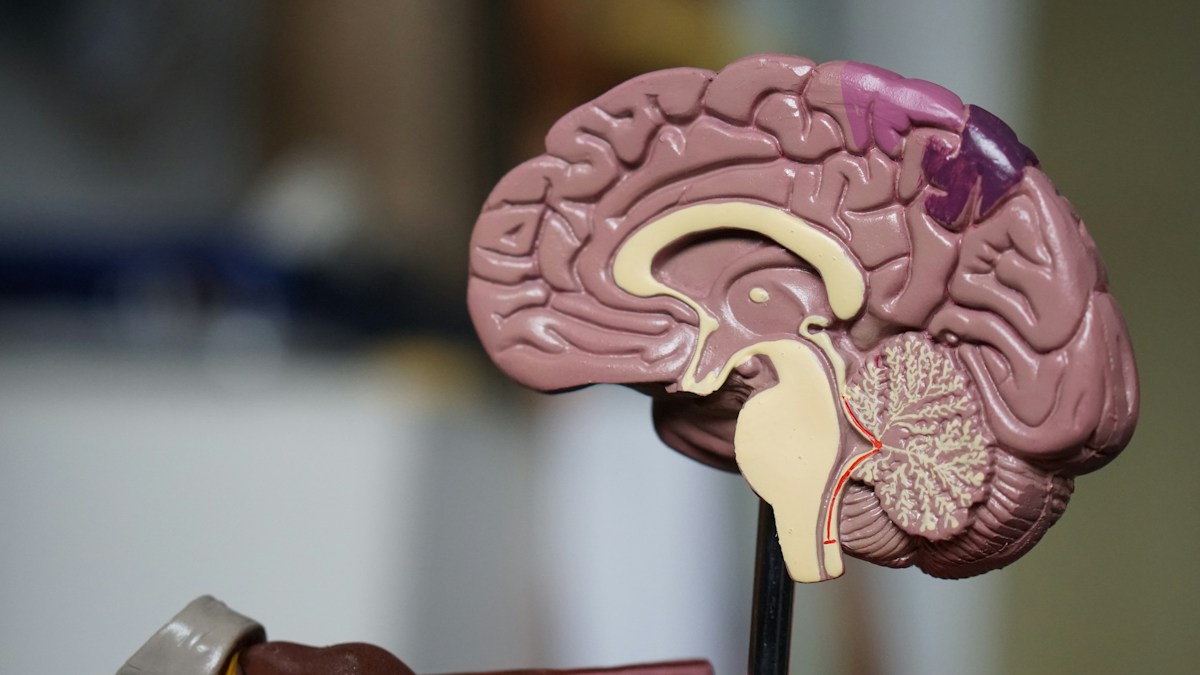
The brain's ability to reorganize itself by forming new neural connections — known as neuroplasticity — is central to post-stroke recovery. Research published in leading neuroscience journals has demonstrated that acupuncture stimulation activates specific brain regions associated with motor control and sensory processing.
"Neuroacupuncture doesn't just address symptoms — it works with the brain's own healing mechanisms to restore function at a neurological level."— Dr. Fatima E. Errachidi
Clinical Evidence
Multiple randomized controlled trials have investigated acupuncture's role in stroke rehabilitation. A 2023 meta-analysis of 28 studies found that patients receiving neuroacupuncture alongside conventional physiotherapy showed significantly greater improvements in motor function scores compared to physiotherapy alone.
Key Treatment Points
- Scalp acupuncture targeting motor and sensory cortex projections
- Distal body points to regulate nervous system tone
- Electroacupuncture for enhanced neural stimulation
- Auricular points for systemic regulation and pain management
What to Expect at AcuTherapy Center
Each patient receives a comprehensive neurological assessment before treatment begins. Dr. Errachidi designs individualized protocols based on the stroke's location, severity, and the patient's current functional status. Sessions typically last 45–60 minutes and are recommended twice weekly during the acute recovery phase.
Progress is carefully monitored using standardized neurological assessment tools, allowing the protocol to be refined as the patient improves. Most patients begin noticing improvements in motor coordination, speech clarity, or sensory awareness within 6–10 sessions.
Is Neuroacupuncture Right for You?
Neuroacupuncture is most effective when integrated into a comprehensive rehabilitation program. It works best alongside physiotherapy, occupational therapy, and speech therapy. If you or a loved one is recovering from a stroke, we encourage you to book a consultation to discuss whether neuroacupuncture could support your recovery journey.